The Scientific Research Behind Coffee Developing: Just How Temperature Level and Time Affect Your Beverage
Comprehending the science behind coffee developing exposes that temperature level and time are not simple variables but critical elements that dictate the drink's flavor profile and overall quality. The ideal developing temperature usually falls between 195 ° F and 205 ° F, while the period of removal differs dramatically throughout different methods. This interaction of variables can result in a mug that is either disappointing or fascinating. As we discover the subtleties of these aspects, the concern emerges: just how can one efficiently balance temperature and time to accomplish that best brew?
The Chemistry of Coffee Extraction
The chemistry of coffee removal looks into the intricate procedures that transform raw coffee beans into the fragrant beverage delighted in worldwide. This makeover mainly entails the solubility of various substances existing in the beans, which are affected by variables such as grind dimension, water quality, and the brewing technique employed.
During the developing procedure, warm water functions as a solvent, drawing out soluble compounds, including high levels of caffeine, lipids, sugars, and acids, from the coffee premises. Each compound adds to the flavor profile, scent, and body of the last beverage. Acids are responsible for bright and tasty notes, while oils contribute to a rich mouthfeel.
The preliminary stages of developing essence acids and sugars, leading to a pleasurable acidity, while prolonged extraction can lead to anger due to over-extraction of undesirable compounds. Understanding these chemical communications is critical for maximizing brewing methods, as the equilibrium in between extraction time and water temperature can significantly affect the general high quality of the coffee.
Ideal Developing Temperatures
Locating the best brewing temperature is important for unlocking the complete capacity of coffee flavors and fragrances - coffee brewing methods. Study indicates that the ideal variety for brewing coffee exists in between 195 ° F to 205 ° F(90 ° C to 96 ° C) Within this array, the extraction process properly dissolves the preferable soluble compounds in coffee beans, leading to a flavorful and well balanced cup
Brewing at lower temperatures, such as listed below 195 ° F(90 ° C ), might lead to under-extraction, yielding an acidic and weak mixture with muted tastes. On the other hand, brewing at temperatures surpassing 205 ° F(96 ° C) can result in over-extraction, creating a extreme and bitter taste due to the extreme dissolution of undesirable substances, such as tannins.
Moreover, the optimal brewing temperature level can vary depending upon the coffee bean kind and roast level. Lighter roasts frequently profit from a little higher temperatures to enhance their complicated taste accounts, while darker roasts might be better fit to reduced temperatures to alleviate anger.
Inevitably, preserving accuracy in developing temperature levels is crucial for achieving a harmonious balance of tastes, ensuring that every mug of coffee supplies a satisfying sensory experience.
Impact of Developing Time
Brewing time plays a critical function in identifying the flavor profile and overall quality of coffee. The removal process, which influences the taste, fragrance, and body of the drink, is mainly depending on the length of time the coffee premises are in call with water. Shorter brewing times can result in under-extraction, leading to a sour or weak flavor, as not enough soluble substances are liquified. On the other hand, prolonged brewing can lead to over-extraction, where undesirable substances are launched, causing an astringent or bitter preference.
Optimal developing time varies depending on the approach utilized and the grind dimension of the coffee. As an copyrightple, a French press generally calls for regarding four mins, while espresso removal is normally completed within 25 to 30 seconds. It is necessary to calibrate developing time in conjunction with other variables, such as water temperature and coffee-to-water ratio, to attain the preferred taste profile.
Understanding the impact of developing time enables coffee fanatics to refine their brewing methods, ultimately enhancing the sensory experience of their cup (coffee brewing methods). With careful focus to this variable, one can unlock the full capacity of the coffee, exposing its special features and subtleties
Brewing Techniques and Their Effects
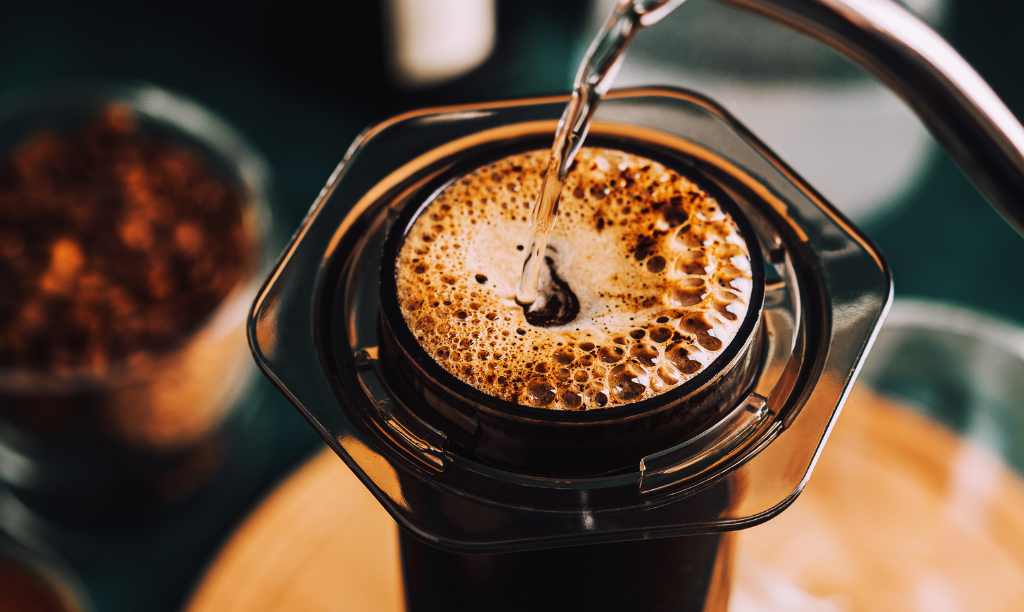
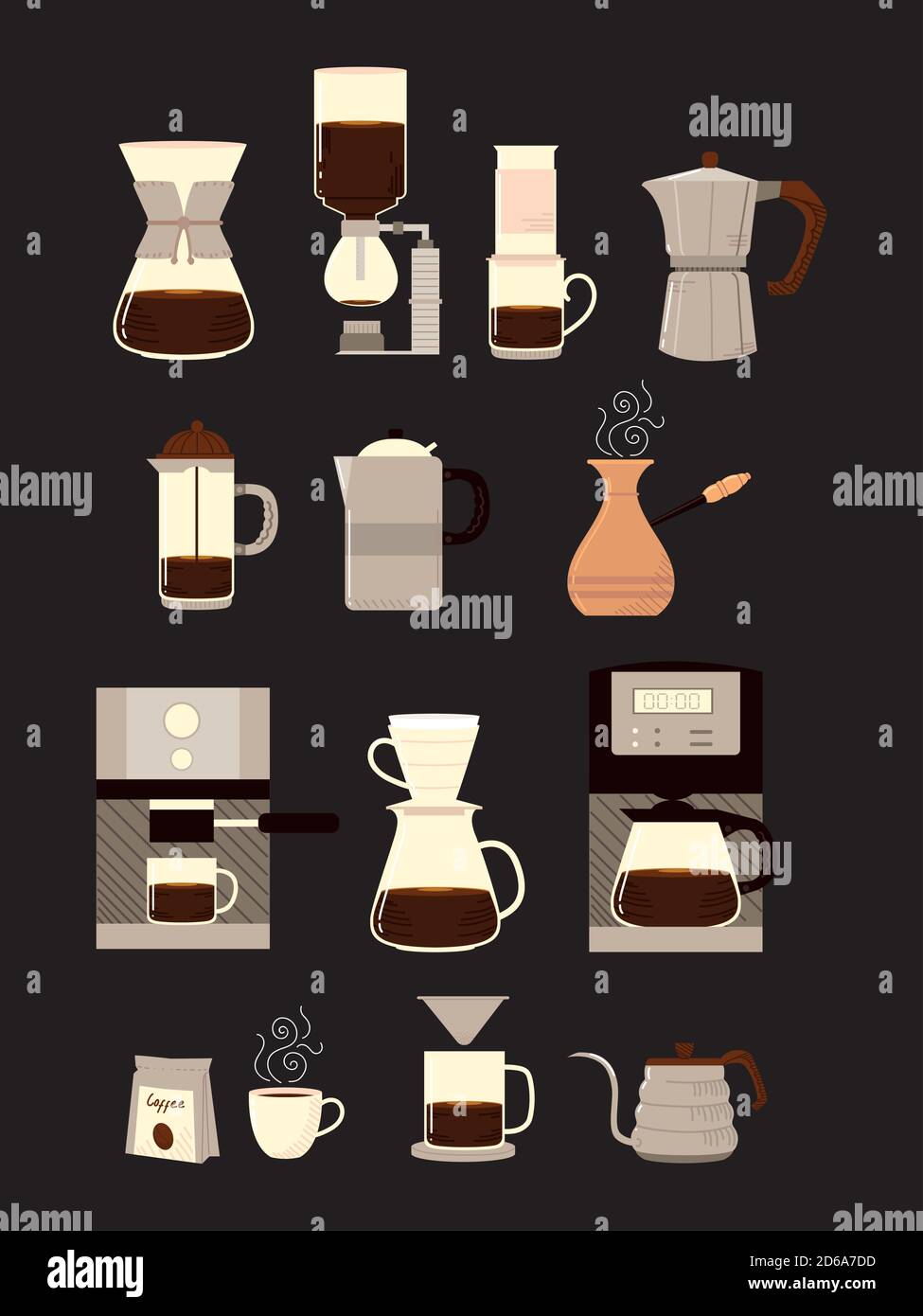
For copyrightple, techniques like French press and chilly brew permit a much longer steeping time, leading to a fuller body and durable flavor as a result of increased extraction of oils and soluble solids. Conversely, espresso developing utilizes high pressure and a shorter extraction time, producing a concentrated shot that emphasizes extreme flavors and a rich crema.
Pour-over techniques, such as Chemex or V60, offer a more regulated removal procedure, permitting the maker to manipulate flow price and water circulation, which can boost illumination and quality. Percolation techniques cycle water through the coffee premises numerous times, leading to a more powerful, typically bitter flavor.
Lastly, the usage of paper filters versus steel filters can likewise impact the final taste; paper filters typically produce a cleaner mug by trapping oils and great bits, while steel filters permit more oils to pass through, adding to a fuller mouthfeel - coffee brewing methods. Recognizing these nuances can elevate the coffee experience considerably
Tips for Perfecting Your Brew
A well-executed brew can change also the Visit This Link easiest coffee right into an amazing experience. Grind the beans just prior to making to optimize quality, guaranteeing the work size matches your brewing approach-- coarser for French press and finer for espresso.
Water high quality plays an essential function; usage filtered water devoid of impurities. The suitable developing temperature varies in between 195 ° F and 205 ° F(90 ° C to 96 ° C ) Too hot can swelter the coffee, while also amazing might under-extract tastes.
Timing is equally essential. For immersion techniques, soaking for three to five minutes is ideal, whereas drip approaches generally take about 5 minutes. Try out mixture times to locate your recommended strength.
Conclusion
In summary, the intricate relationship between temperature and time is paramount in the coffee brewing process. Complying with optimal developing temperature levels in between 195 ° F and 205 ° F, along with precise timing customized per approach, makes sure the preferred flavor profile is accomplished. Comprehending these clinical principles equips individuals to refine their developing methods, inevitably bring about a more pleasurable and balanced coffee experience. Mastery of these factors is essential for any kind of coffee fanatic seeking excellence in their drink.
Recognizing the science behind coffee developing exposes that temperature level and time are not plain variables yet critical components that dictate the drink's flavor account and total high quality. Understanding these chemical communications is essential for maximizing brewing strategies, as the balance in between extraction time and water temperature can dramatically influence the total quality of the coffee.Developing time plays a crucial duty in figuring out the taste profile and general quality of coffee. By focusing on these aspects-- bean high quality, grind dimension, water temperature, steeping time, and proportion-- you can elevate your coffee brewing procedure, resulting in a consistently remarkable cup.
In summary, the detailed relationship between temperature level and time is paramount in the navigate to this site coffee brewing procedure.
Comments on “Coffee Brewing Methods: Unlocking the Keys to the Perfect Cup in your home”